Bob De Moor
Topics :
- Classical
- Crime novel
- Adventure
- Historical
- Sailing
- Action
- Humor
- Tintin Universe
- Myths and legends
- Children's literature
Bob de Moor, Herge's right-hand man and a pillar of the ligne claire (clear line)
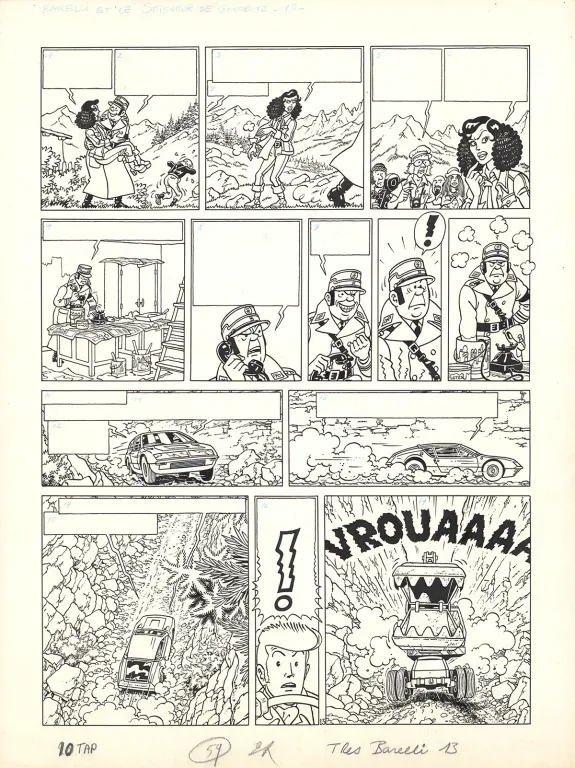
Robert Frans Marie De Moor, known as Bob De Moor, is one of the most essential - yet least-known - figures in Franco-Belgian comics. The son of an industrial draftsman, he began drawing at the age of three, fascinated by the sailboats in the port of Antwerp. After studying at the Royal Academy of Fine Arts in Antwerp and working briefly in animation at the Afim studio, he published his first comic strips in 1944 in Dutch-language children’s publications. In 1950, he joined the Hergé Studio, where he quickly became the chief assistant following the departure of Edgar P. Jacobs. For more than 35 years, he was the indispensable driving force behind the adventures of Tintin. He redrew older albums and designed backgrounds with unparalleled attention to detail, such as the scaffolding in Objectif Lune (Destination Moon), the Beefeaters’ costumes in Le Sceptre d'Ottokar (King Ottakar's Sceptre), and the modernized sets in L'Ile Noire (The Black Island), all while managing the brand’s merchandising. At the same time, he pursued his own creative career with Barelli (1954), Cori le Moussaillon (Cori the Cabin Boy)—which won the Best Album Award at Angoulême in 1988—and Oncle Zigomar (Uncle Zigomar). After Edgar P. Jacobs’s death, he completed the second volume of Les trois formules du Professeur Satō (1989). From 1989 until his death, he served as president of the Belgian Comic Strip Center and was artistic director at Éditions du Lombard. His son Johan De Moor, also an artist, carries on his legacy. A definitive biography by Gilles Ratier, Bob De Moor : La ligne claire d'Hergé (Bob De Moor: Hergé’s Clear Line), was published in 2025 by BD Must to mark the centennial of his birth.
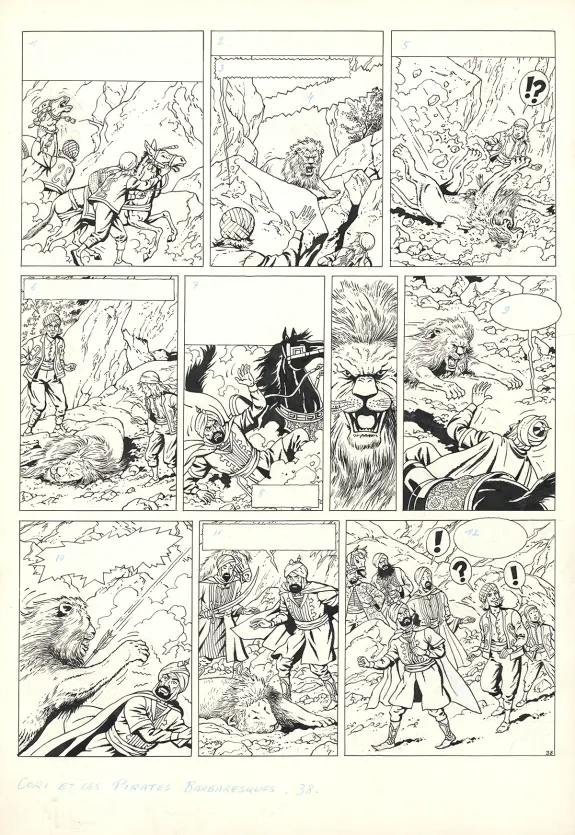
It is natural to associate Bob De Moor with Hergé, whom he assisted for thirty-five years. But this overlooks all too quickly that the author developed a distinguished solo career, with series such as Barelli and Cori le Moussaillon (Cori the Ship’s Boy), as well as standalone stories like De Leeuw van Vlaanderen (The Lion of Flanders). The latter was created in 1949 in Kuifje, the Flemish version of the magazine Journal de Tintin, [...] and brilliantly demonstrates that the artist was not limited to the ligne claire style but was equally capable of a more realistic approach. A powerful, meticulously precise inking gives his work extraordinary energy.
Didier Pasamonik
Bob de Moor aux enchères

In 2023, the auction house Daniel Maghen Enchères set the world record for a work by Bob de Moor, which sold for €13,400.
BOB DE MOOR
Le Lombard
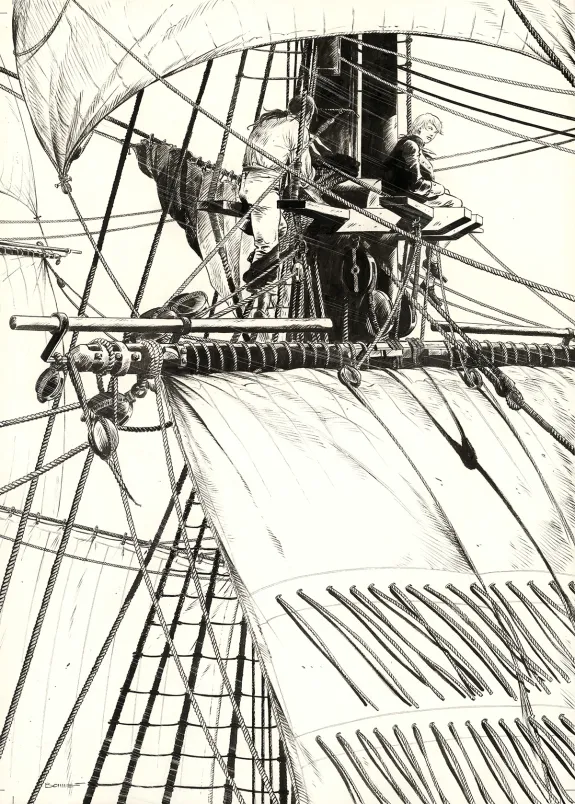
Original cover of the Belgian Tintin Journal No. 43, 40th-anniversary special, dated 21 October 1986.
Indian Ink on paper
57,5 × 44,5 cm
Sold 2023: 13 400€
Credits :
©De Moor (banner)
Pages and artworks from Bob De Moor See all
-

-
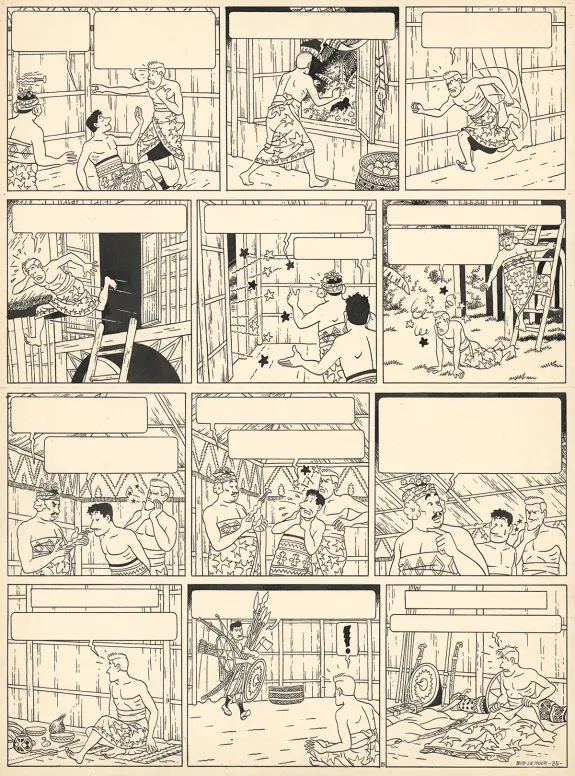
Original page No. 25
1 000 € -
-
Bob De Moor
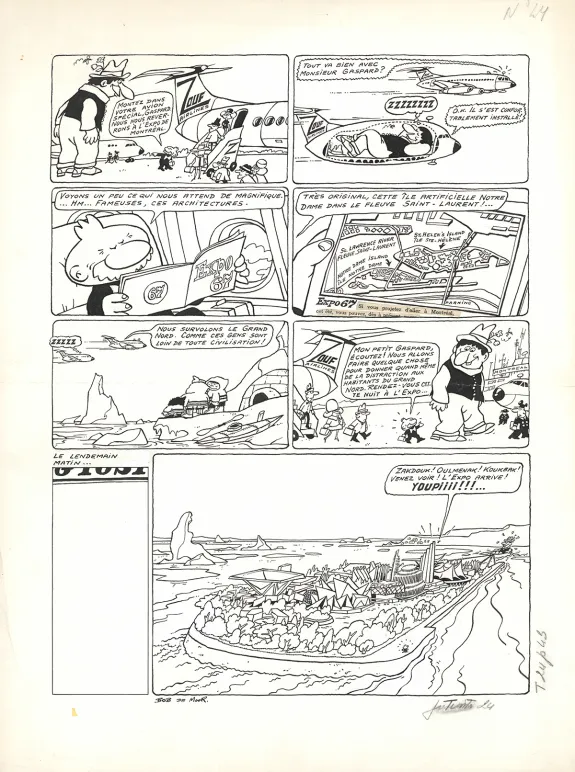
Monsieur Tric
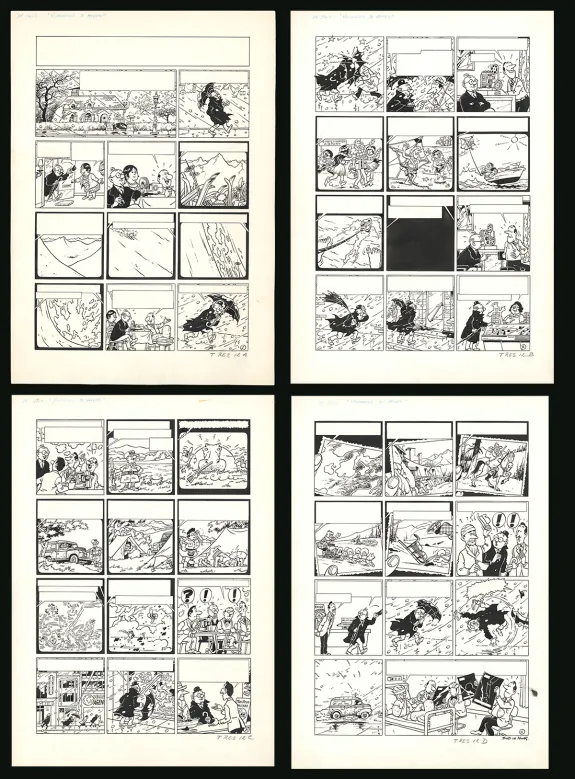
Set of four original pages published in *Le Journal de Tintin*: *Winter Vacation*—the full story
2 000 € -
-
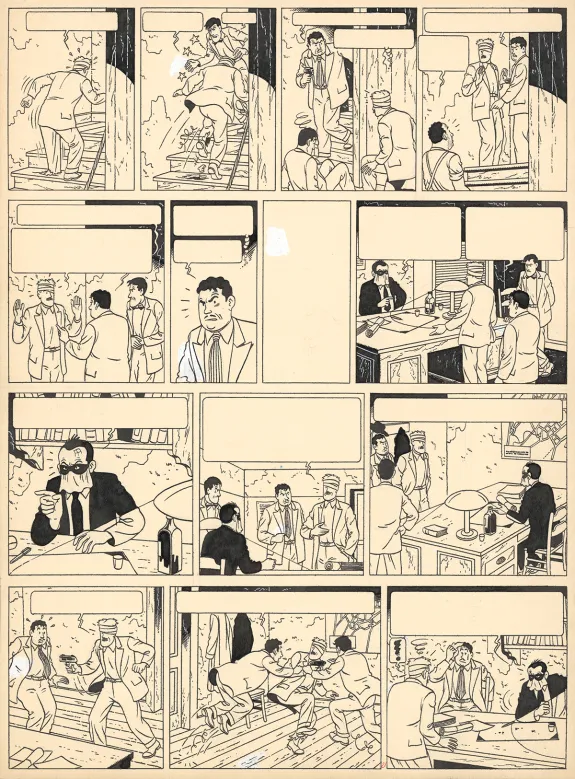
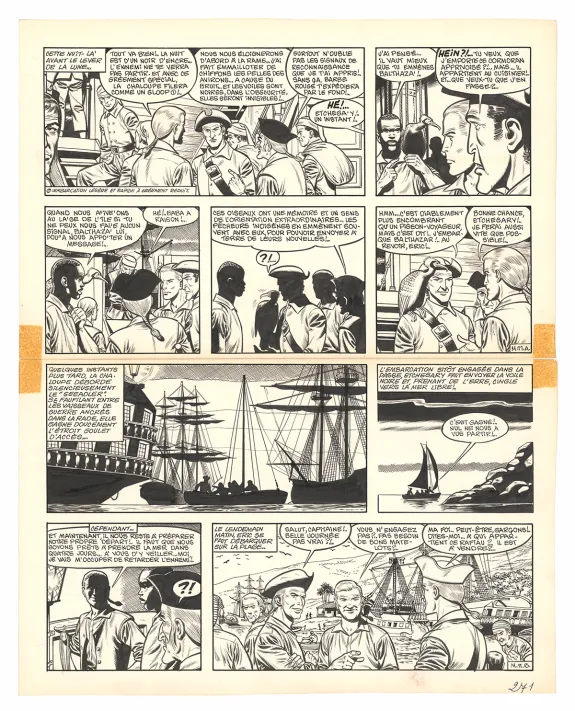
Planche originale n°21, prépubliée dans Le Journal de Tintin Belge n°50 du 14 décembre 1950
1 200 € -


You will also like...
-
Original page n°01
2 800 € -
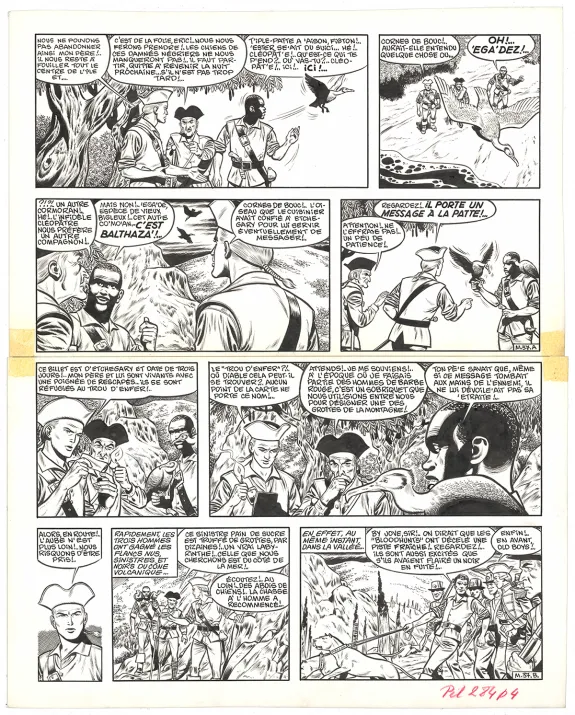
Planche originale n°37, publiée dans Pilote n°284
4 000 € -
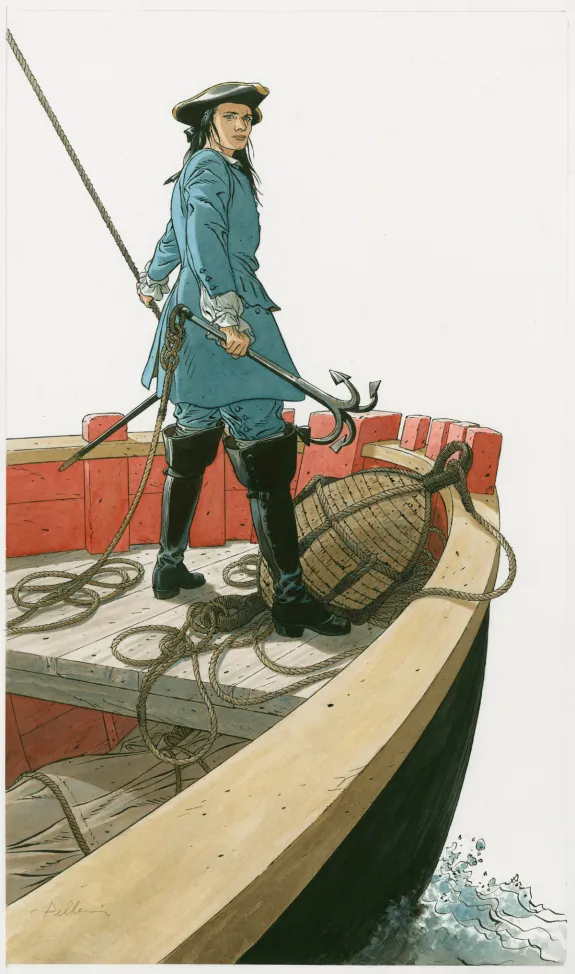
-
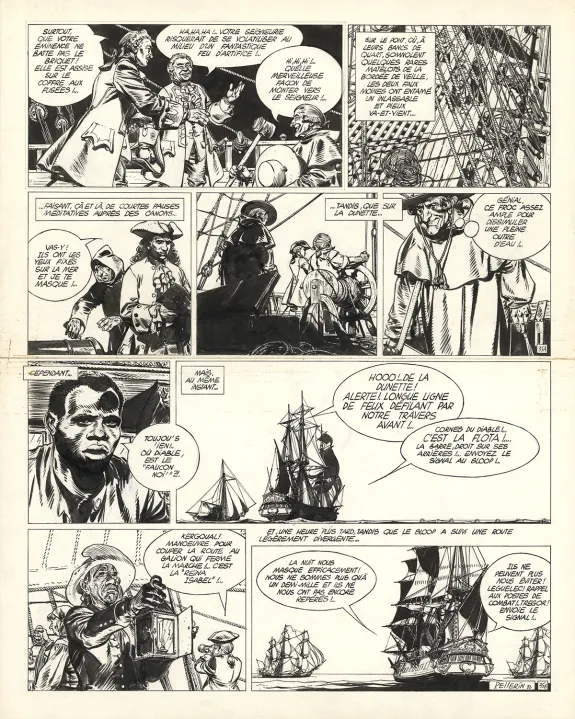
Original page 35, first panel redone
4 000 € -
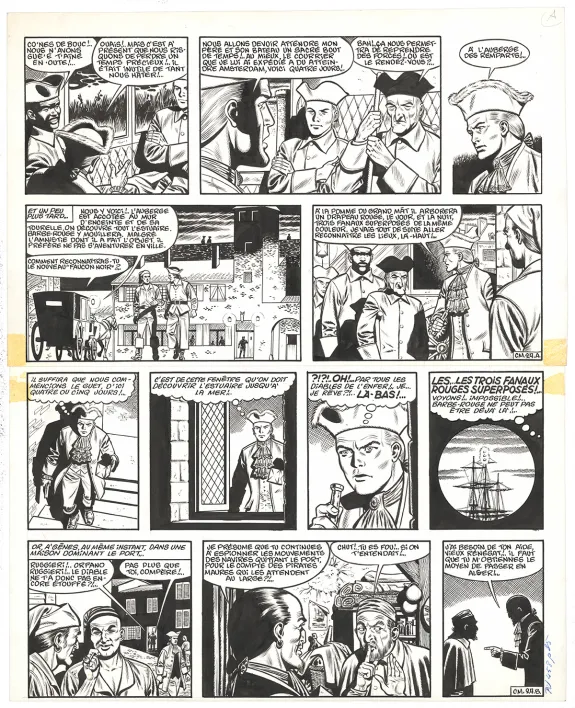
Planche originale n°24, publiée dans Pilote n°458
4 000 € -
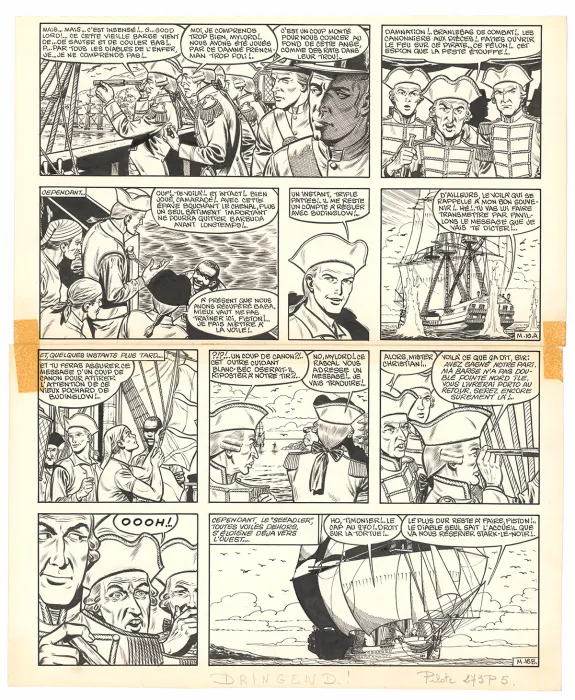
Original page n°16, published in Pilote n°273
6 000 € -
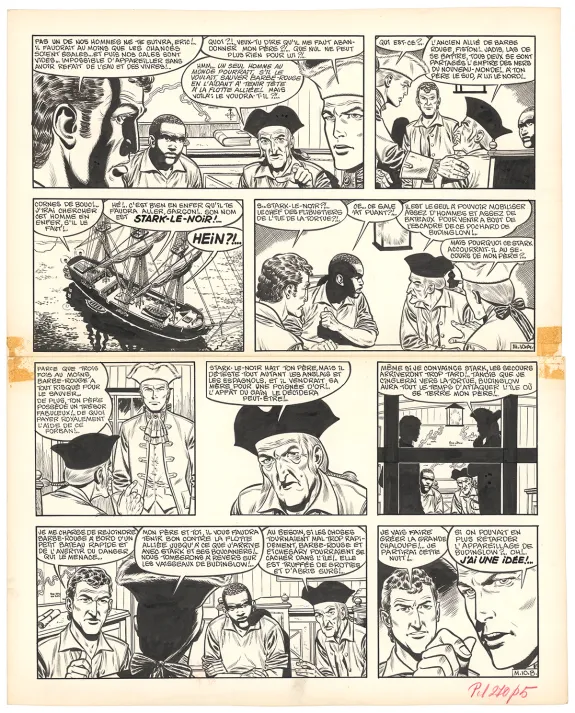
Planche originale n°10, publiée dans Pilote n°210
5 000 € -
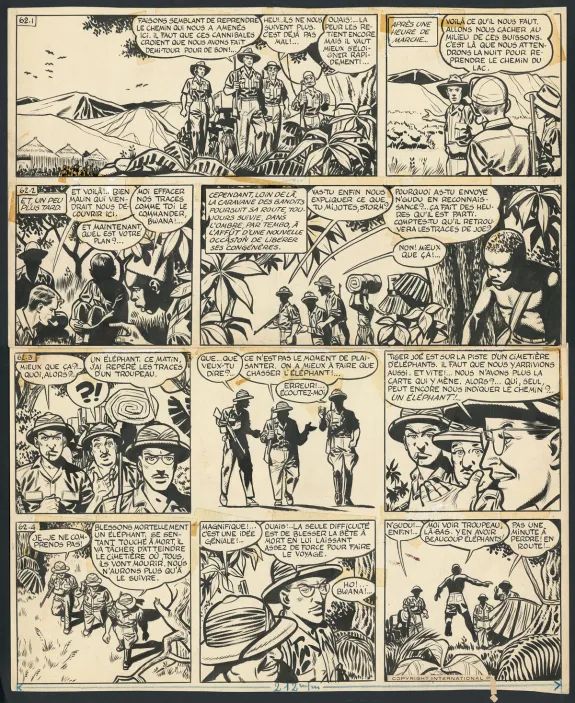
Original page, numbered 62, firstly published in La Libre Junior in 1958
3 000 € -

Franck Bonnet
USS Constitution
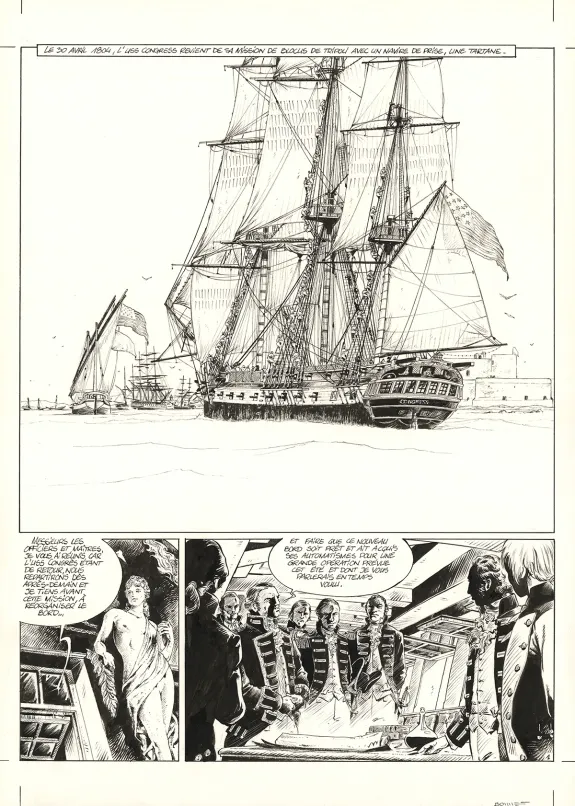
USS Constitution and USS Syren entering Grand Harbour, Valleta Original illustration
5 000 € -
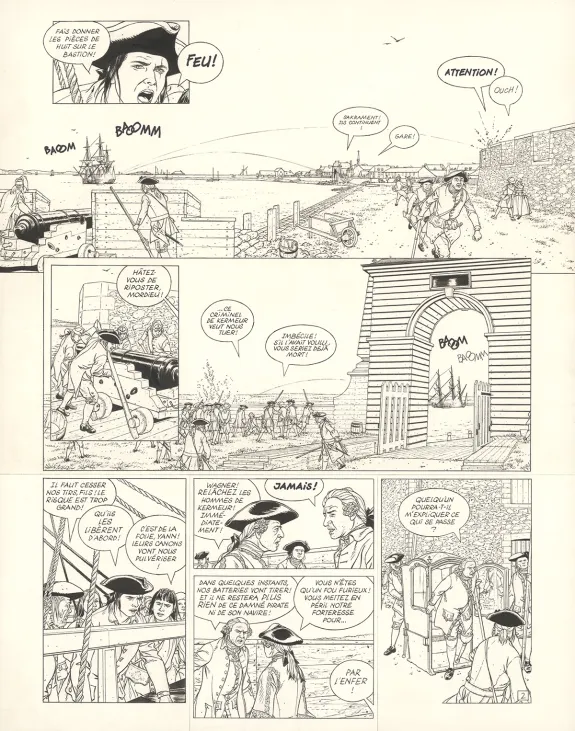
Planche originale n°02
5 000 € -
-