

Punchy, provocative, trashy…In a word: punk
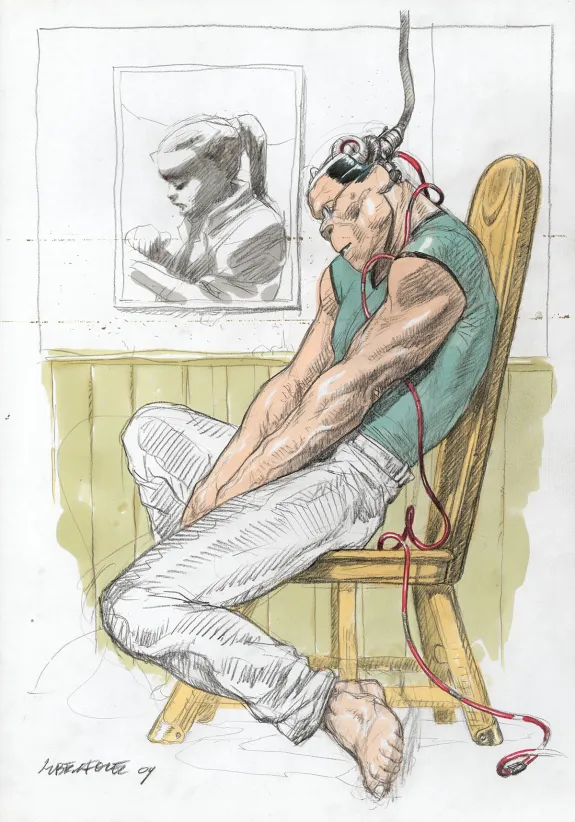
Motivated, in his own words, by his “desire to draw naked women,” Tanino Liberatore studied at the Art High School in Pescara before enrolling at the Faculty of Architecture in Rome. From 1974 to 1978, he worked with several advertising agencies before meeting Tamburini in 1978, the editor of the decidedly punk magazine Cannibale. Together, they created a comic book magazine titled Frigidaire in 1980, in which Liberatore illustrated the series Bordello and Client—which brought him early fame in Italy—before going on to create, again in collaboration with Tamburini, the adventures of Ranxerox… which caused a sensation in the world of European comic art! These adventures included Ranxerox in New York, Happy Birthday, Lubna, as well as Ranxerox Takes on Spain, which remains unpublished to this day. The hyper-expressionism mixed with trash culture in Liberatore’s art, the ultra-violence embodied by Ranxerox—a dim-witted android who thinks with his fists—and his provocative sexuality, expressed notably through the hero’s “girlfriend,” Lubna, a prostitute, drug addict, and minor, caused a scandal while simultaneously captivating the audience of the 1980s. At the same time, the artist created album covers for the major label RCA: his most famous design remains the one for Frank Zappa’s The Man from Utopia. The success of Ranxerox in France led Liberatore to move to Paris, where he worked in theater, film, and television. This is how he met Alain Chabat, with whom he published a new Ranxerox adventure, Amen, and for whom he designed the costumes for Asterix & Obelix: Mission Cleopatra, which earned him a César Award in 2003. At the same time, Liberatore continued to draw nude women with provocative and scandalous sexuality, with these illustrations published in art books by Albin Michel. In 2007, he published Lucy, in collaboration with paleoanthropologist Yves Coppens, imagining the life of the famous “first woman”—a comic book he would describe as his “Sistine Chapel”… In 2015, Glénat released a collection of violent short stories, masterfully orchestrated in his signature style: Petites morts et autres fragments du chaos (Little Deaths and Other Fragments of Chaos).
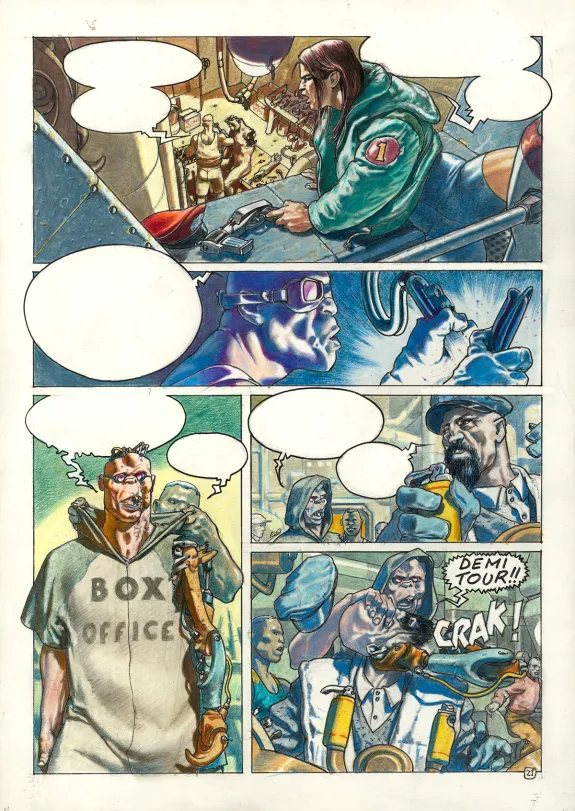
RanXerox was a minor revolution in 1980s comic art. It cemented Tanino Liberatore’s international reputation - a talent who first made a name for himself in the magazine Frigidaire, which held the same historical and aesthetic significance in Italy as Métal Hurlant, notable for its political, graphic, and editorial radicalism. Like the magazine that published it, RanXerox aimed to be subversive, provocative, satirical, caustic, libertarian, punk, and anti-establishment in post-“Years of Lead” Italy. Its originality, of course, also stems from Liberatore’s artwork, which stands out for its formal innovation, constant graphic provocation, and unbridled urban imagination.
Didier Pasamonik
Liberatore in auction

In 2025, the auction house Daniel Maghen Enchères set a new record for a page by Libratore.
TANINO LIBERATORE
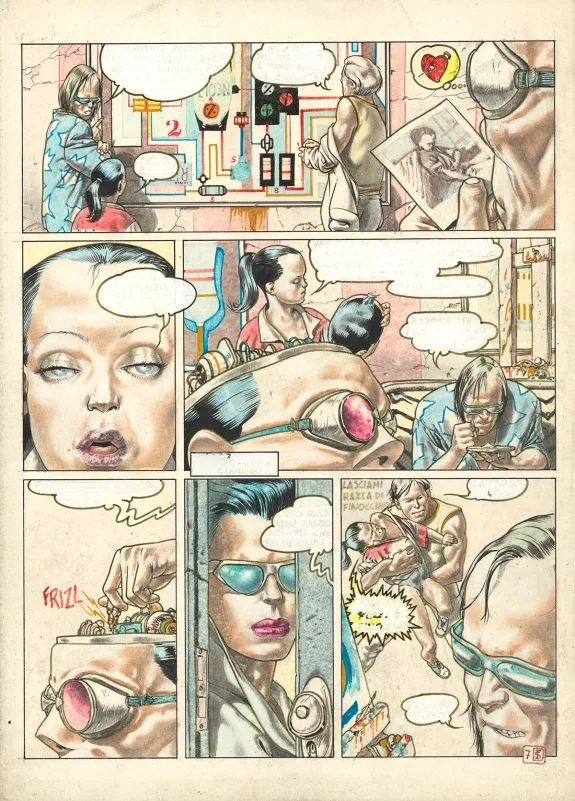
RANXEROX
Ranxerox à New York (T.1), Albin Michel 1981
Original pages n° 9, prepublished in L'Écho des Savanes in 1981.
Indian ink, coloured inks and coloured pencils on paper
25 × 34,8 cm
Sold in 2025 : 17 663€
Credits :
©Liberatore / Tamburini, Albin Michel (banner)
Pages and artworks from Tanino Liberatore See all
-
-
-
-
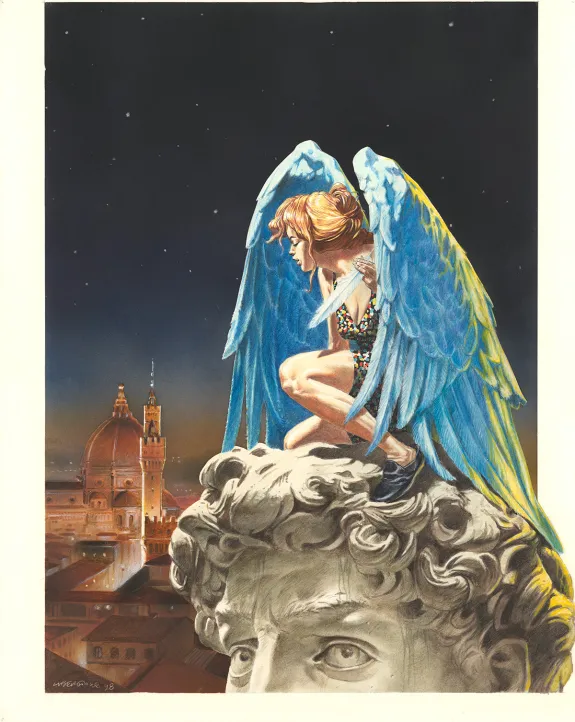
Original illustration for the 1996 Estate Fiorentina music festival poster.
7 000 € -
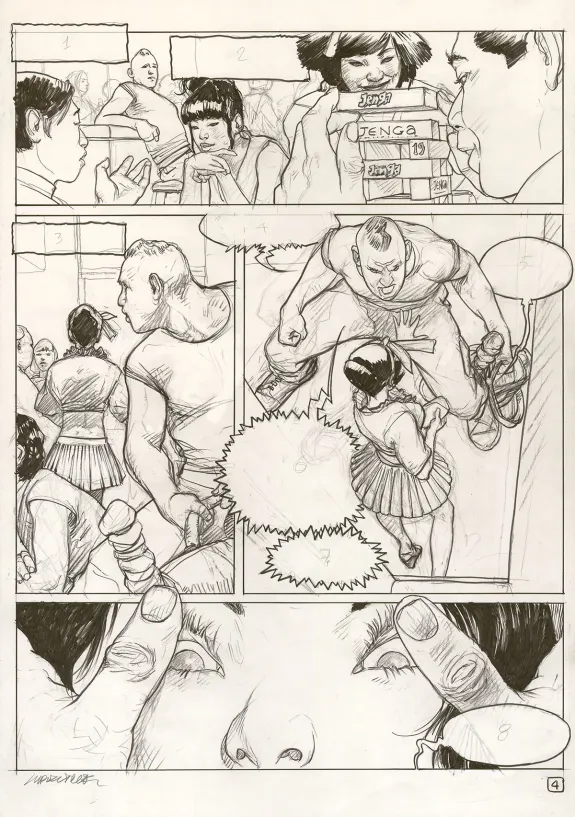


You will also like...
-
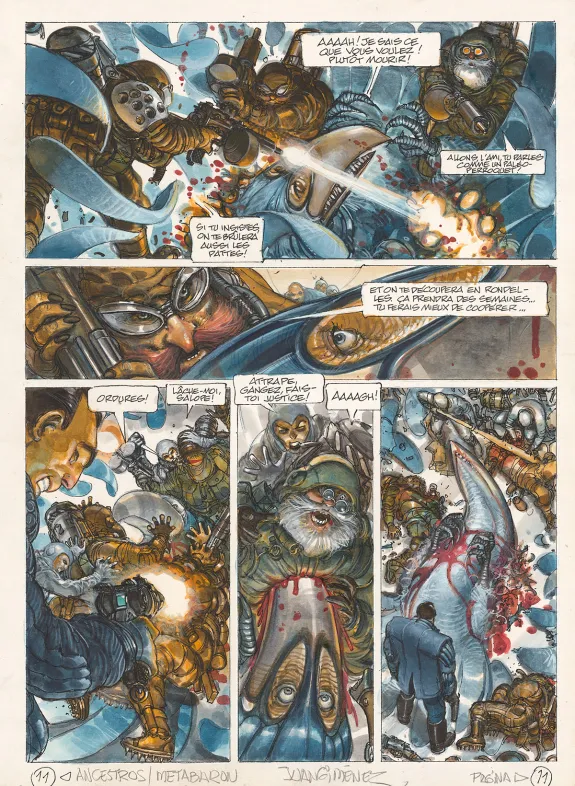
Original page n°11 with its first step
4 500 € -
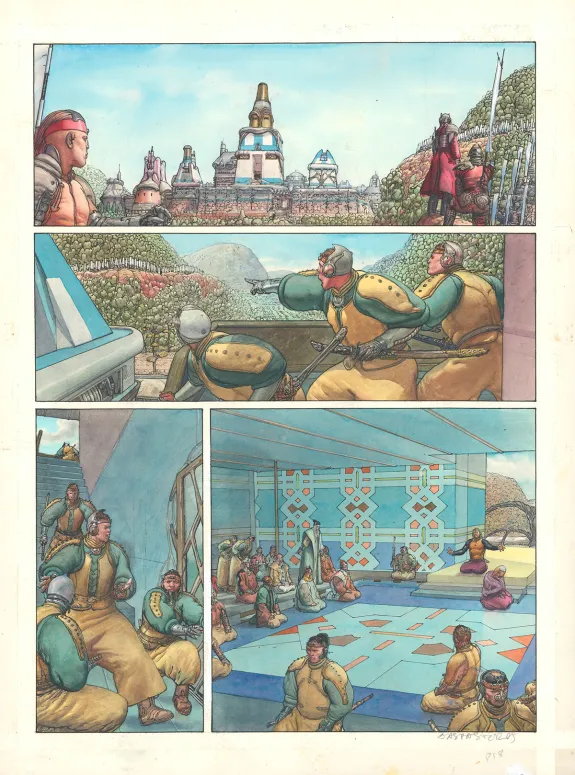
-

Original page 44 and its first step
7 000 € -
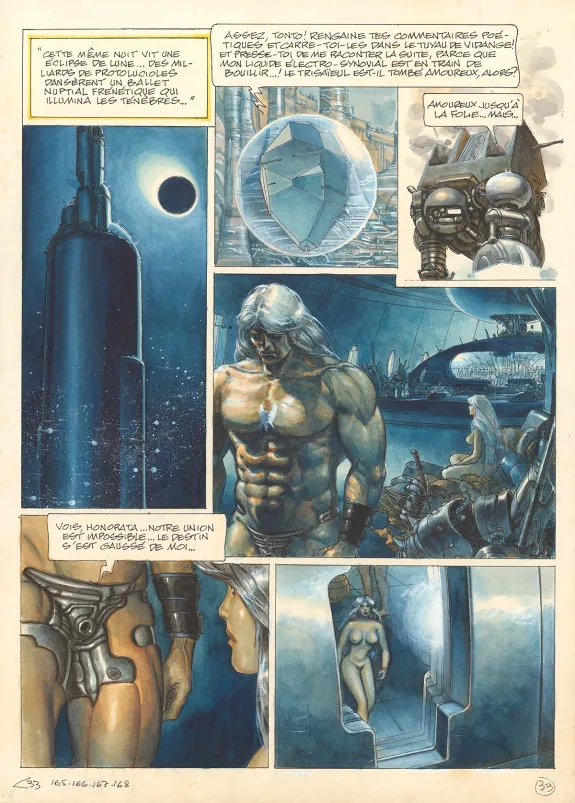
Original page 33 with its first step
7 500 € -

Original page 3 with its first step
6 500 € -
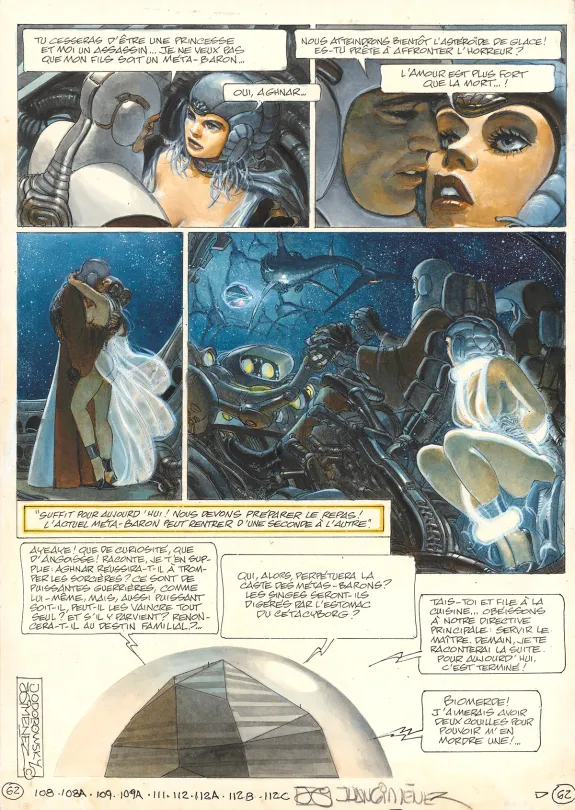
Original page n°62 with its first step
6 500 € -
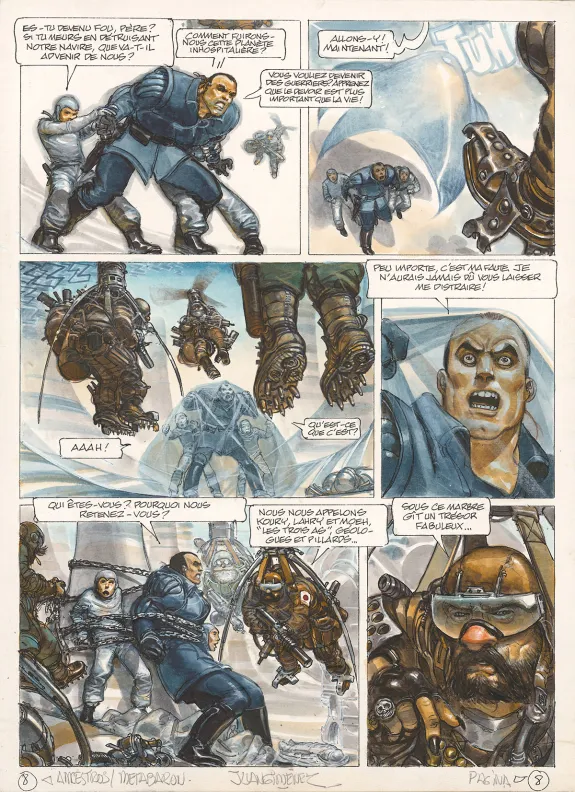
Original page n°08 with its first step
4 000 € -
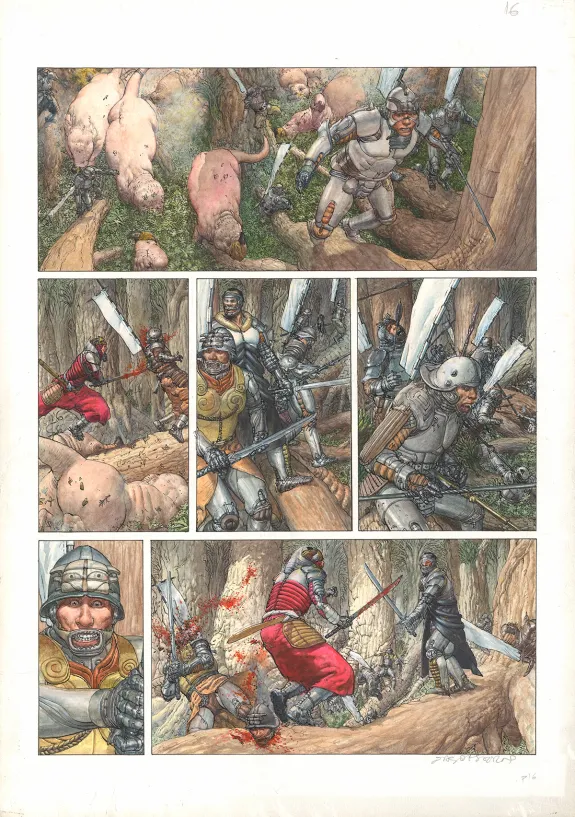
-
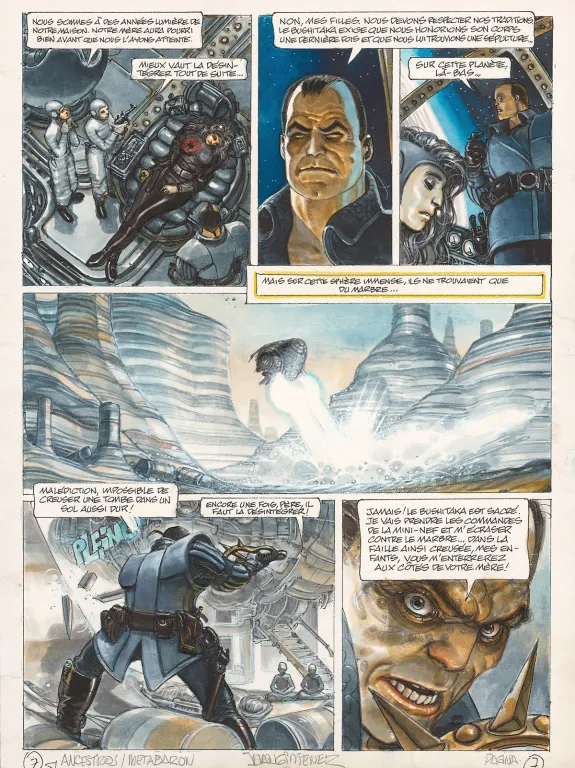
Original page n°07 with its first step
5 000 € -
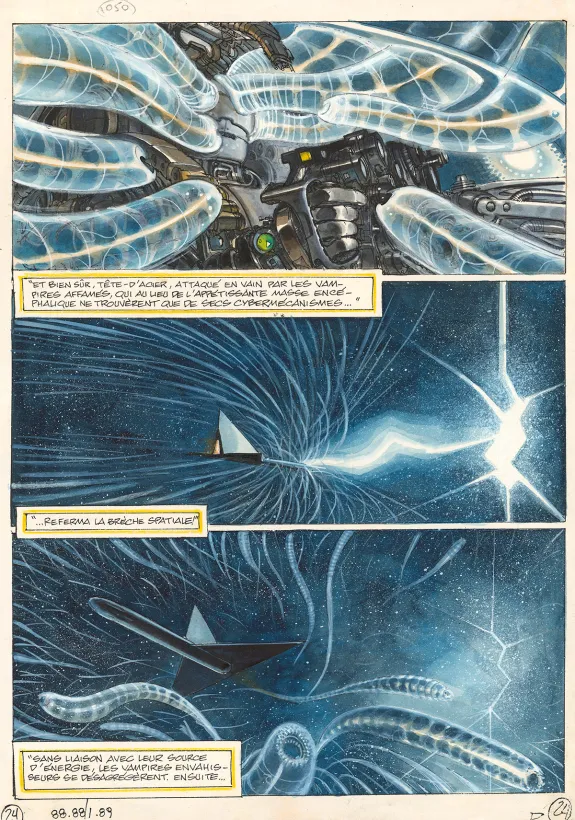
Original page 24 with its first step
6 900 € -

Original page 10 with its first step
4 500 €


