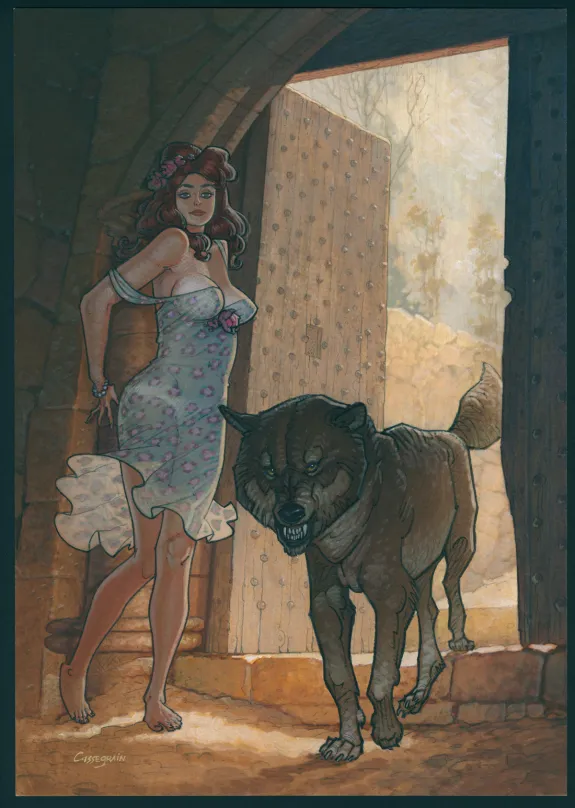
Jérôme Lereculey
Topics :
- Myths and legends
- Heroic Fantasy
- Adventure
- Fantasy
Celtic Legends and Universe
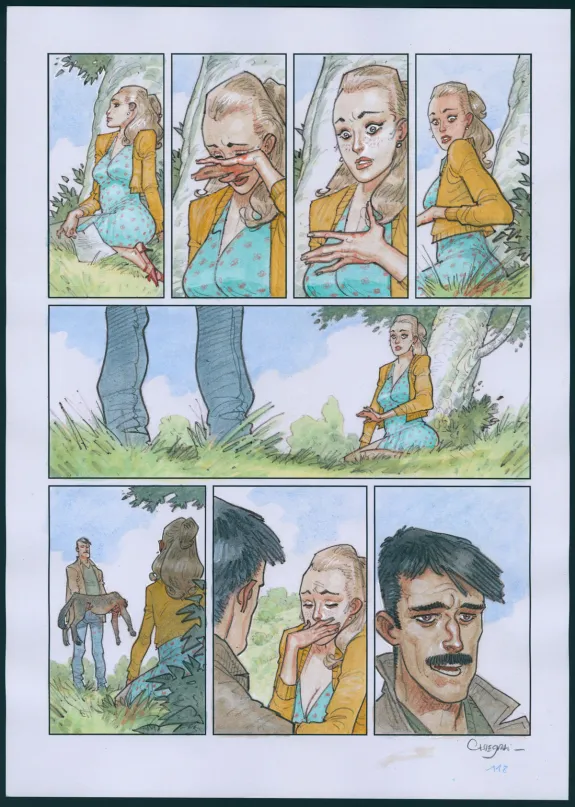
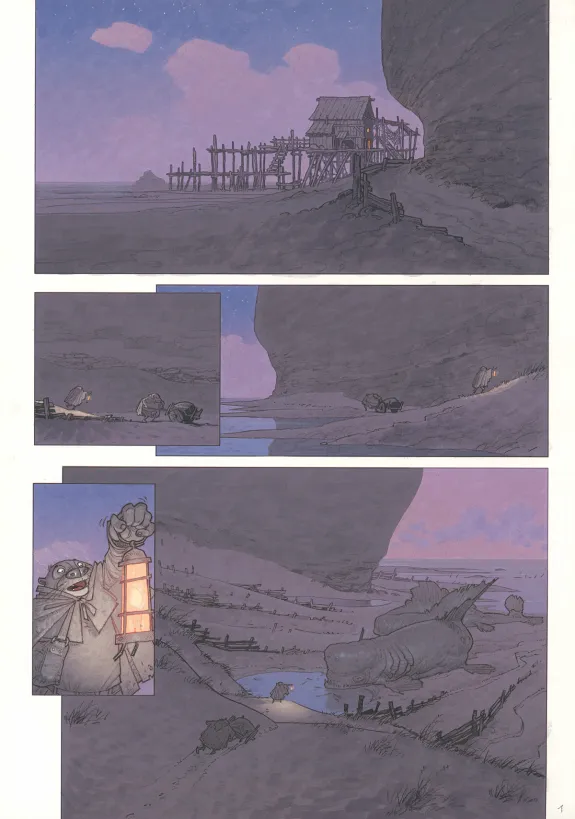
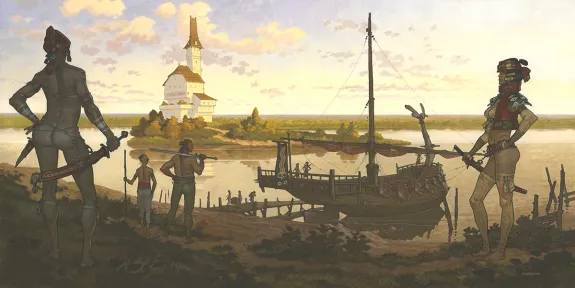
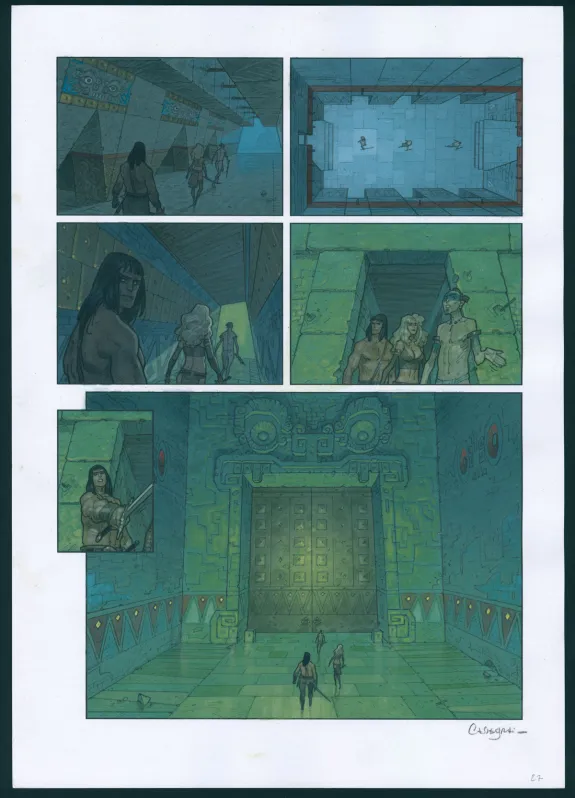
Jérôme Lereculey was passionate about drawing from a very young age and attended after-school classes at the École régionale des Beaux-Arts in Rennes for eight years, while also pursuing scientific studies that led him to a textile engineering school in Mulhouse. He continued, however, to take life-drawing classes for a year, thereby acquiring the anatomical foundations essential to any realist artist. It was in Rennes that he made his debut by co-founding the fanzine and the association Atchoum with Erwan Fagès, Erwan Le Saëc, and Stéphane Duval. Through his interactions with Michel Plessix, Lucien Rollin, Christian Rossi, and Patrice Pellerin, his style matured, and he mastered the art of graphic storytelling. Together with writer David Chauvel, he published the crime thriller Nuit noire (Dark Night, 1996–1998), which earned Lereculey the Ballon Rouge Award for Best Artist at the Saint-Malo Festival. They followed this with Arthur (Arthur the Legend), an ambitious reinterpretation of Welsh myths recounting the life of King Arthur and the history of pagan Brittany before Christianization. Between 2003 and 2004, he also participated, under the artistic direction of Christian Rossi, in the comic book adaptation of La Compagnie des glaces (The Ice Company). Still collaborating with Chauvel, in 2007 he created a volume of the Sept series, Sept voleurs (Seven Thieves), followed by the children’s book Séraphin et les animaux de la forêt (Seraphin and the Forest Animals, 2008). In 2009, he teamed up with writer Martine Muller to adapt a short story by Gogol, Veillée funèbre (The Wake). Starting in 2011, he launched Wollodrïn (10 volumes) with Chauvel, a heroic fantasy series that became one of the cornerstones of his catalog at Delcourt, his primary publisher. At the same time, he collaborated with Serge Le Tendre on Golias (Goliath), a series set in ancient Greece, published by Le Lombard. As a member of the organizing committee for the Quai des Bulles festival, Jérôme Lereculey has established himself—through a body of work marked by a deep attachment to legends and the Celtic world—as one of the architects of the revival of realism in contemporary Franco-Belgian comics.
Credits :
©Lereculey (banner)
Pages and artworks from Jérôme Lereculey See all
-
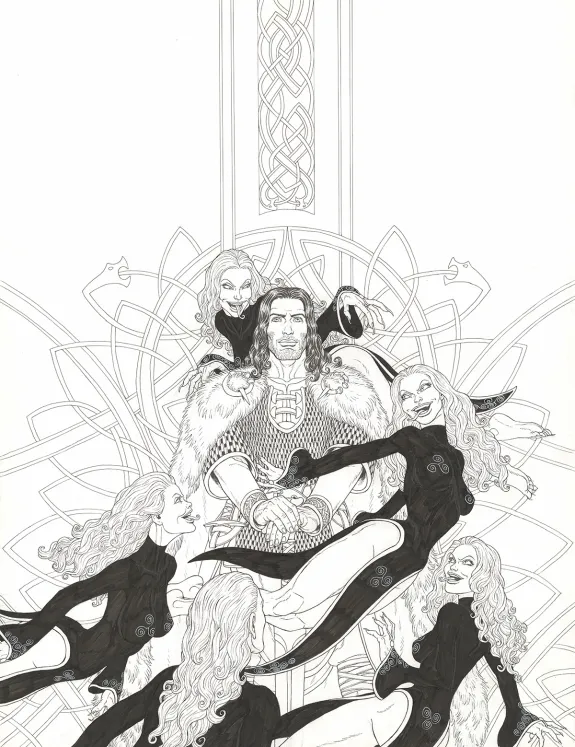
Original Cover
2 000 € -


You will also like...
-
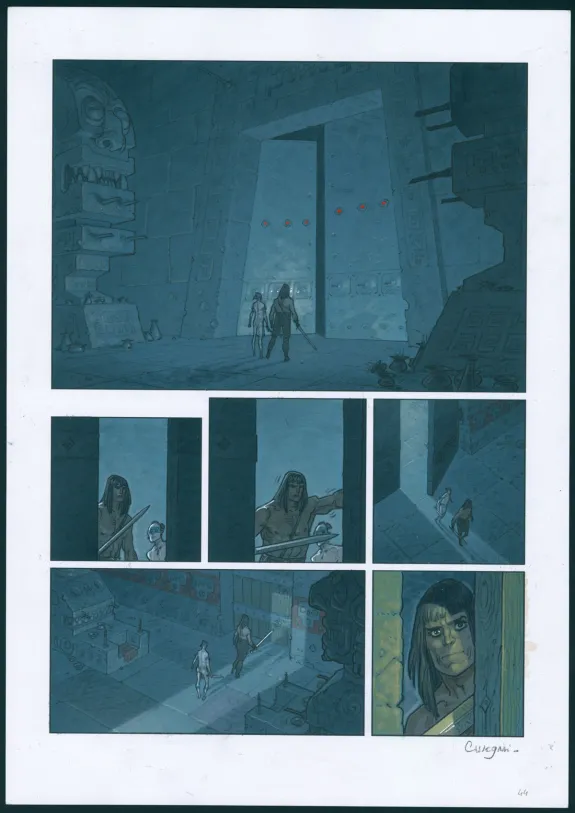
Original page n°44
1 800 € -
-
Original page n° 01
2 000 € -

-
-
Original page n°27
1 800 € -